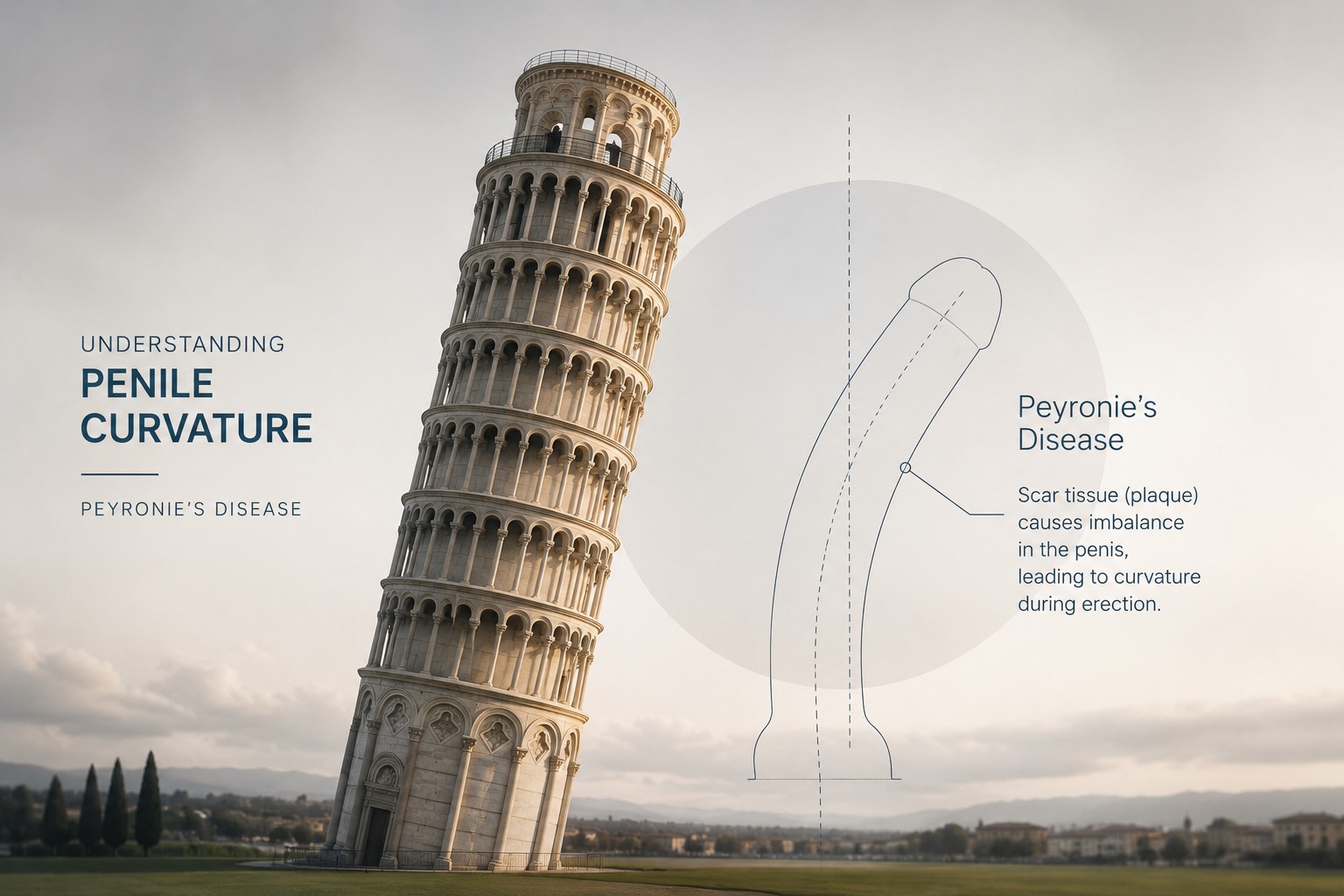
Recent media coverage around so-called Penisgate has triggered global searches linking elite sport with the idea of penis injections. While sporting authorities have stated clearly that there is no confirmed evidence of athletes injecting substances into the penis, the discussion has highlighted a far more important issue.
From a medical perspective, injecting chemicals into the penis is a known and well-documented cause of severe injury. This article explains the real medical risks, using peer-reviewed evidence, and why penis injections are never harmless.
What is Penisgate, and why are people searching for penis injections?
“Penisgate” is a media label applied to rumours suggesting that some athletes might attempt to manipulate body measurements using penile injections. Sports regulators, including the World Anti-Doping Agency, have publicly rejected these claims and have not identified any verified cases.no verified cases identified.
However, viral stories drive curiosity. Searches for penis injections, penile fillers, and penis enlargement injections have risen sharply. The issue matters because similar practices already occur outside sport, often in unsafe, non-medical environments.
Can injecting chemicals into the penis actually work?
No injection has been shown to safely or reliably enlarge the penis or improve function long-term.
Any temporary increase in size comes from swelling or filler volume, not true tissue growth. Over time, injected substances can:
- Migrate
- Harden
- Trigger inflammation
- Distort normal anatomy
From a urological standpoint, the penis is not designed to tolerate injected foreign material.
Why do men inject substances into the penis despite the risks?
The main driver is penis-size anxiety, not medical need.
Studies show:
- Up to 45% of men are dissatisfied with their penis size
- Most men who seek penis enlargement actually have a penis that is of normal size and functions normally.
- 78% of penile injections in published series were performed by non-medical practitioners
Social pressure, misinformation, and online anecdotes play a major role.
What substances are injected into the penis? Silicone, fillers and oils explained
Reported substances include:
- Silicone (often industrial or adulterated)
- Hyaluronic acid (a gel used in facial fillers)
- Oils, paraffin, or other foreign materials
Silicone is the most dangerous. Even when described as “medical grade”, injectable silicone is not approved in many countries for penile use and behaves unpredictably in genital tissue.
Why the penis is one of the most dangerous places to inject chemicals
The penis has:
- A dense blood supply
- Delicate erectile tissue
- Veins that must trap blood to maintain erections
Injected substances can:
- Compress blood vessels
- Block venous outflow
- Disrupt erection mechanics
- Cause chronic inflammation
This is why complications occur even with small volumes.
What are the immediate risks of penis injections? Infection, swelling and skin death
Short-term complications are common and often severe.
Documented immediate risks include:
- Infection (reported in up to 10–15% of non-medical cases)
- Abscess formation
- Severe swelling and pain
- Skin necrosis – death of penile skin
One peer-reviewed case reported complete penile skin necrosis within one week of industrial silicone injection, requiring emergency surgery and prolonged wound care.
Can penis injections cause permanent damage or erectile dysfunction?
Yes. This is one of the most serious consequences.
Penile injections can lead to:
- Venous leakage – blood cannot stay trapped, causing weak erections
- Fibrosis – scarring of erectile tissue
- Nerve injury, reducing sensation
- Mechanical distortion is preventing penetration
These changes may be permanent, even after corrective surgery.
What are the long-term complications of silicone and filler injections in the penis?
Long-term outcomes are often worse than the initial injury.
Published series report:
- Foreign body granulomas
- Chronic inflammation
- Penile deformity
- Chronic pain
- Recurrent infections
In one study:
- 84.4% of men had complications
- 74% wanted the injected material removed
- Many required major reconstructive surgery
Do penile injections ever need major surgery to fix the damage?
Yes — frequently.
Severe cases require:
- Complete excision of penile skin
- Removal of foreign material
- Reconstruction using skin grafts or scrotal flaps
One documented case required full penile skin removal, weeks of open wound care, and staged reconstruction to restore function .
Are any penis injections medically approved or safe?
There are very limited medical uses for penile injections, and these:
- Are performed only by specialists
- Occur in tightly controlled clinical settings
- Are used for specific reconstructive indications
There is no injection such as:
- Improves athletic performance
- Safely enlarges the penis long-term
- Carries zero risk
Non-medical penile injections carry the highest complication rates.
What does the medical literature say about penis injections?
The evidence is consistent across decades.
Peer-reviewed studies show:
- Acute infections and tissue death after silicone injections
- High rates of chronic inflammation and deformity
- Frequent need for reconstructive surgery
- Significant psychological and sexual impact
These outcomes are common, documented clinical realities.
Why Penisgate matters: how viral stories drive dangerous copycat behaviour
Viral media stories shape behaviour.
When high-risk practices are discussed casually:
- People attempt imitation
- Risks are underestimated
- Doctors see the consequences years later
Urologists routinely manage the long-term fallout of penile injections.
Bottom line: Injecting chemicals into the penis is a high-risk medical decision
The conclusion is clear and evidence-based:
Injecting chemicals into the penis can cause infection, tissue death, deformity, and permanent erectile dysfunction.
Whether linked to rumours, trends, or social pressure, the medical risks are real and well-documented.
%20(1).jpg)