Hero BG WaveHero BG Wave
Robotic Prostectomy Surgeons

Preparing for Surgery

When it comes to surgery, the condition of your body plays a crucial role in recovery, often more than patients realise. A fitter, healthier body recovers faster, experiences fewer complications, and has a smoother post-operative journey.

We are seeing an increasing number of patients who are overweight or obese, and in many cases, there is limited time before surgery to make meaningful changes.

Dr. Edward Calleja

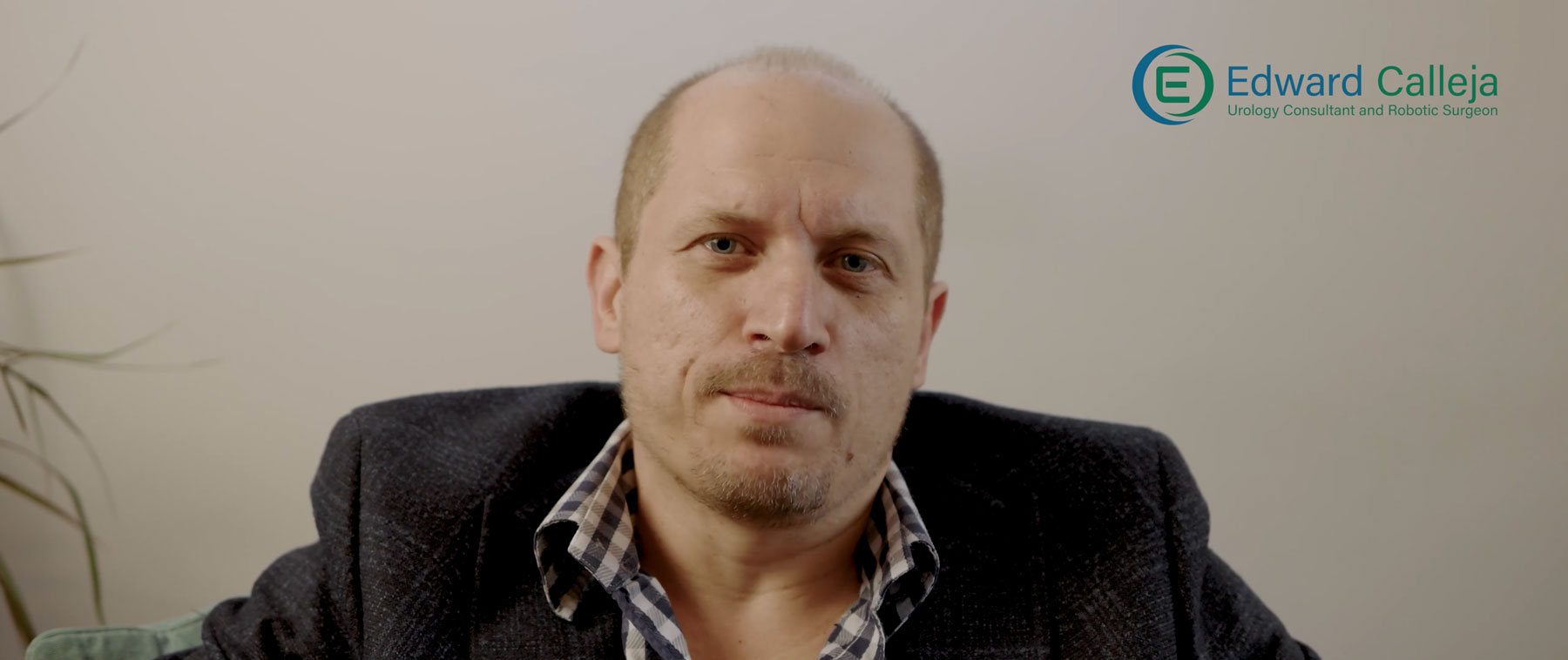
My name is Dr. Edward Calleja, and I am a Urology Consultant and Robotic Surgeon based in the South East of England. While I am a surgeon and not a nutritionist, I have researched and developed strategies to help patients optimise their fitness before surgery, with the aim of achieving the best possible outcomes.


Wave Blue

Your Health Matters, schedule a call today.

Intermittent Fasting for Surgery

One of the most effective approaches I have found is intermittent fasting, which helps with weight management, metabolic health and overall resilience during surgery.

Is intermittent fasting effective in preparation for surgery?

If you wish to follow this route it is best to start with a 12-hour window, fasting for 12 hours each day. For example, if your last meal is at 7 pm, wait until 7 am the next morning to eat.

Then progress this gradually once a 12-hour fast feels natural, extending it to 16 hours and eventually 18 hours. This helps your body adapt while improving fat metabolism and energy regulation.

During your eating period its crucial you eat healthy, nutrient-dense foods. Aim for 80% vegetables and 20% lean protein during your eating window and this will support your immune system, muscle maintenance and overall energy levels.

Robotic Prostate Operation
Get in Touch

It Starts With a Conversation

Wave Blue
Edward Calleja

Hydration is Key

Staying well-hydrated before surgery is essential. Adequate water intake helps circulation, supports your organs and reduces the risk of complications. It's always best to avoid sugary drinks and excess caffeine where possible.

Lifestyle Adjustments

  • Smoking: If you smoke, stopping before surgery can significantly reduce the risk of complications, particularly those affecting your lungs and wound healing.
  • Alcohol: High alcohol intake can affect your liver and immune function. Reducing consumption in the weeks leading up to surgery supports better recovery.
  • Exercise: Regular physical activity strengthens your heart, improves circulation and prepares your muscles for the stress of surgery. Even light to moderate exercise, such as walking, swimming, or gentle resistance training, can make a measurable difference in your recovery speed and outcomes.

If you follow some of these key points, you can arrive on the day of surgery looking and feeling healthier than before you started preparation. It is a true win-win: improved surgical outcomes and a head start on long-term health.